
5 Hair Habits That Harm Your Hair and How to Prevent Breakage
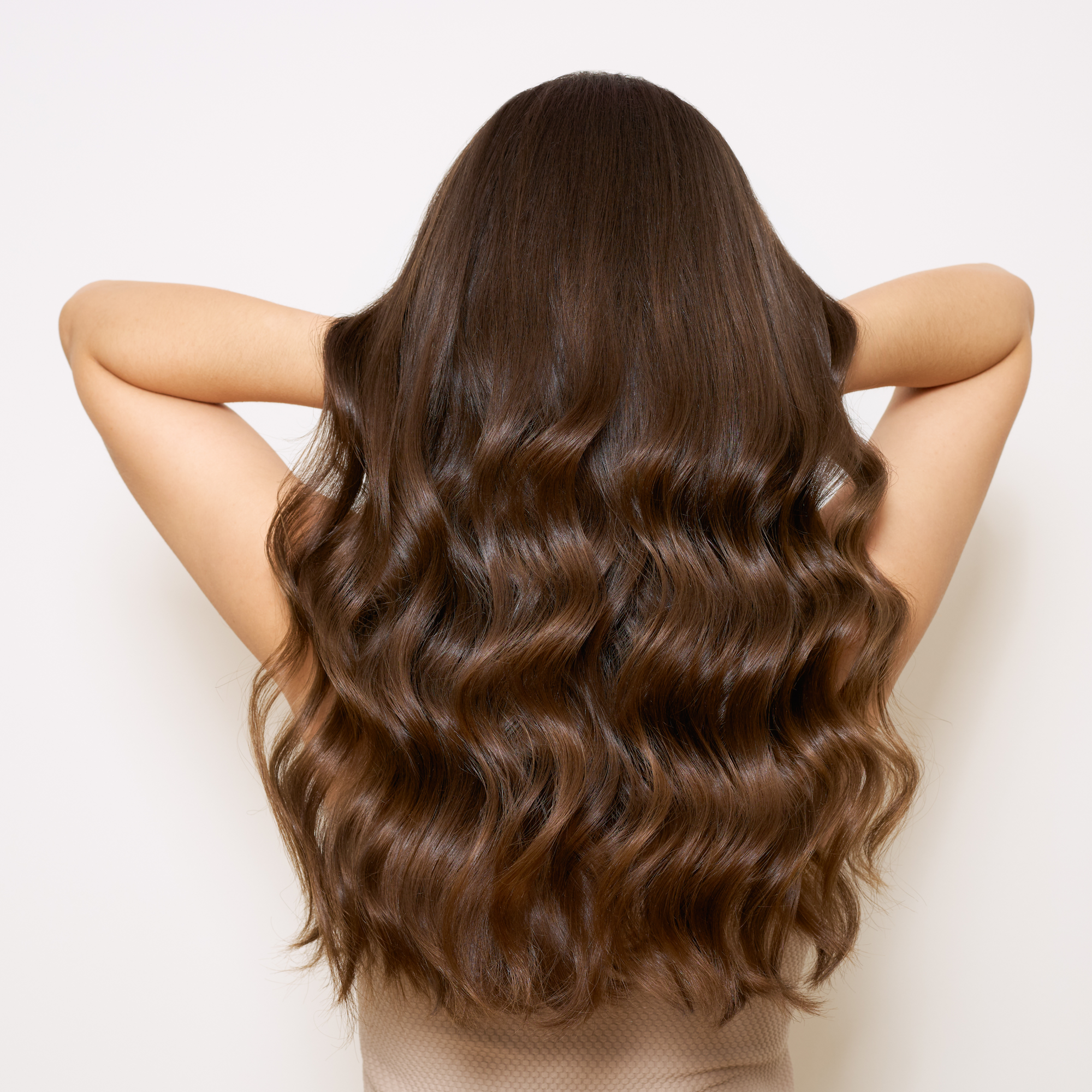
Healthy hair usually is not ruined all at once. More often, it is worn down little by little through small habits that feel harmless in the moment.
A lot of people assume hair damage only comes from bleach, color, or heat tools. Those things matter, of course, but daily handling matters too. The way you detangle, dry, style and protect your hair can either help preserve it or slowly weaken it over time. Hair is especially fragile when it is wet, repeated friction can damage the surface of the hair shaft, tight styles can create chronic tension, and sun exposure can weaken the hair and affect shine, texture, and color.
Why Daily Habits Matter More Than Most People Think.
The condition of your hair is shaped by repetition.
That is why some damage feels confusing. It is not always one dramatic mistake. Sometimes it is brushing too roughly when the hair is wet, rubbing it dry with a towel every wash day, or pulling it back tightly in the same place over and over again. Over time, those habits add up.
STYLIST NOTE : Many people focus on big changes when trying to improve their hair, but I often see the most progress come from correcting small daily habits first.
1. Wet Hair is More Fragile
Hair is more vulnerable when it is wet. Water temporarily weakens the hair’s protein structure, which makes the strands more elastic and easier to stretch, snap, or break if they are handled too aggressively. Dermatologists routinely warn that wet hair is more fragile and more prone to breakage than dry hair.
That is why detangling carelessly right after washing can do more damage than people realize. Pulling through knots, starting from the roots, or trying to rush through tangles can put unnecessary stress on the hair from root to tip.
Solution
Detangle your hair after applying conditioner during your shower, or apply a detangling product like, AVEDA Brilliant Damage Control, afterward to provide slip. Work gently from the ends upward, detangling small sections at a time to avoid unnecessary stress on the hair.
Stylist’s Note
The goal is not just to get through the knot. The goal is to get through it without roughing up the hair in the process.
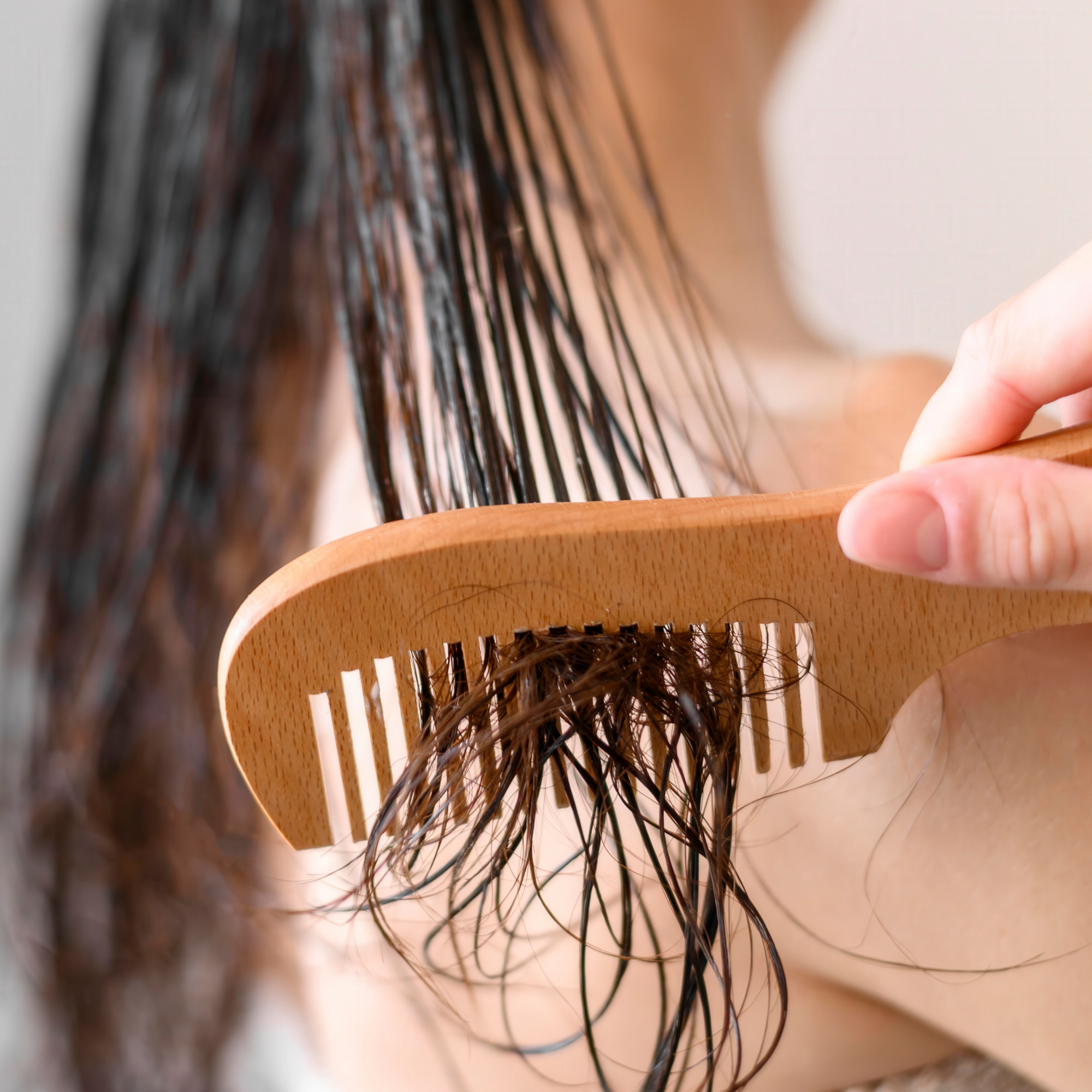
2. The Wrong Brush Can Damage Your Hair
Not every brush is helping your hair.
A brush with stiff or aggressive bristles can pull through tangles instead of releasing them gently. That kind of tension is especially hard on wet hair, which is already more fragile. Repeated rough brushing can stretch the hair, weaken it, and contribute to breakage over time. Friction and daily grooming are well-established contributors to hair shaft damage.
Solution
Choose a vented brush with flexible bristles like the Wet Brush Speed Dry Detangler Hairbrush. These bristles are soft enough to safely bend and move through tangles. Flexible bristles are more likely to glide through the hair safely rather than forcefully pulling through the tangle.
STYLIST NOTE : A brush should work with your hair, not against it.
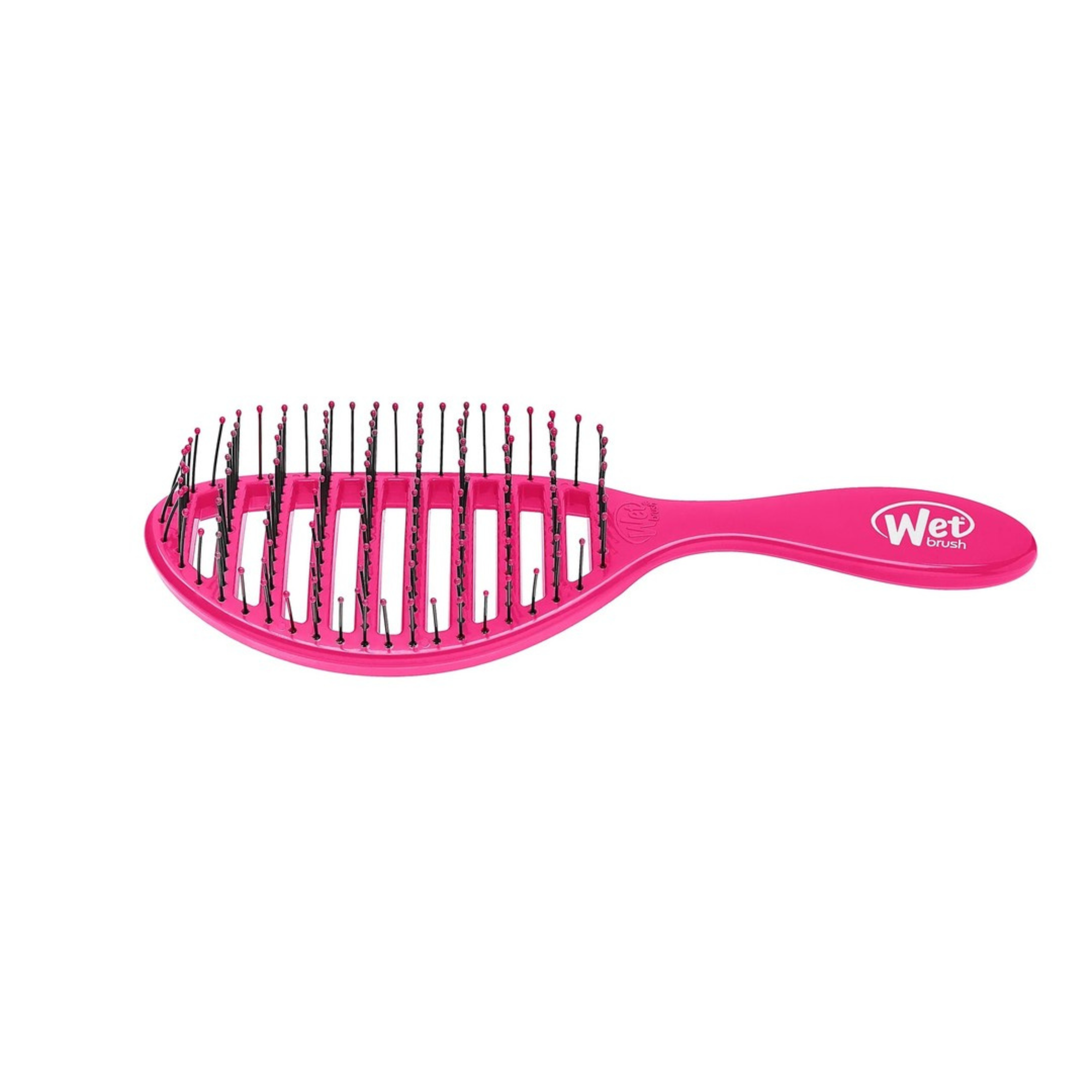
Pictured & available for purchase at LOOK: Wet Brush Speed Dry Detangler Brush
3. Towel Drying Can Cause Breakage
As mentioned earlier, hair is at its most delicate when it is wet, so what you do right after shampooing and conditioning matters. Rubbing hair aggressively with a bath towel creates friction, and friction is a major source of surface damage to the hair shaft, especially when the hair is wet. Over time, that kind of rough drying can contribute to frizz, dryness, and breakage.
Solution
Instead of rubbing the hair dry, gently press or squeeze excess water out with your towel. A soft microfiber towel like the kitsch Cherry Print XL Hair Towel Wrap can also help reduce friction while drying.
STYLIST NOTE : This is one of the easiest habits to change, and it can make a bigger difference than people expect.
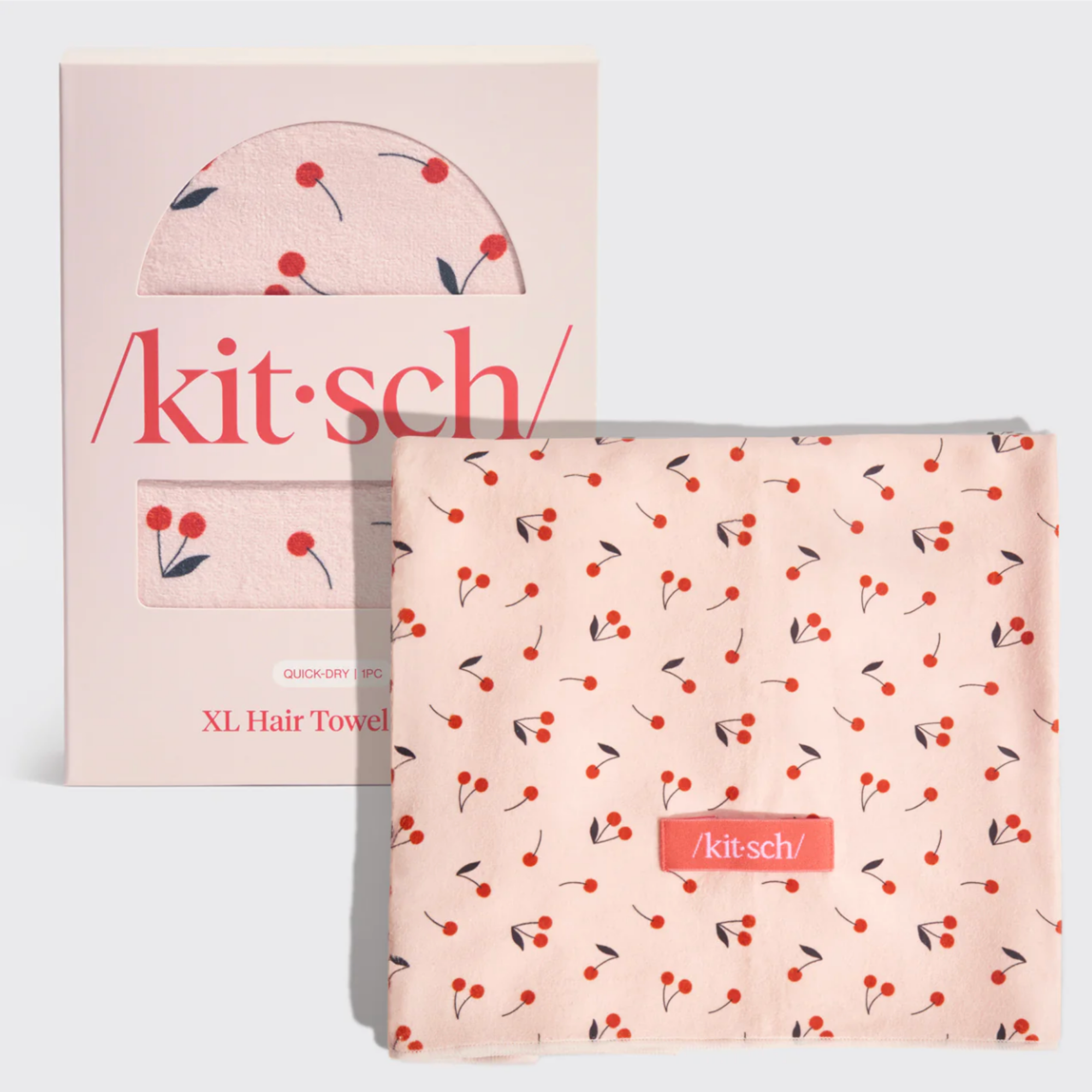
Pictured & available for purchase at LOOK (in-store)
4. Hair Ties Can Cause Hidden Breakage
San Antonio is known as Military City, USA, and with so many service members living and working here, tightly secured hairstyles are part of everyday life for many clients. Joint Base San Antonio is officially described by the City of San Antonio as the largest and most diverse joint base in the Department of Defense, which makes this especially relevant in our community.
Tight ponytails, buns, and other pulled-back styles can place repeated stress on the same sections of hair. Over time, that constant tension can weaken the strands and, in more serious cases, contribute to traction alopecia, a form of hair loss caused by repeated pulling. Dermatology guidance specifically lists tightly pulled buns, ponytails, and updos among the hairstyles that can lead to this kind of damage.
Solution
Choose softer hair ties, such as fabric-covered elastics or silk scrunchies, when your dress code allows. Some examples of healthier hair ties are: kitsch Ruched Satin Scrunchies, kitsch Petal Hair Elastics, or kitsch Ruffle Scrunchie. Also, rotating your part, changing the placement of your bun when possible, and giving the hair a break from tension on off-days can also help protect its strength over time.
STYLIST NOTE : This is one of those habits that often feels unavoidable, especially for clients in uniform, which is exactly why the small protective choices matter.
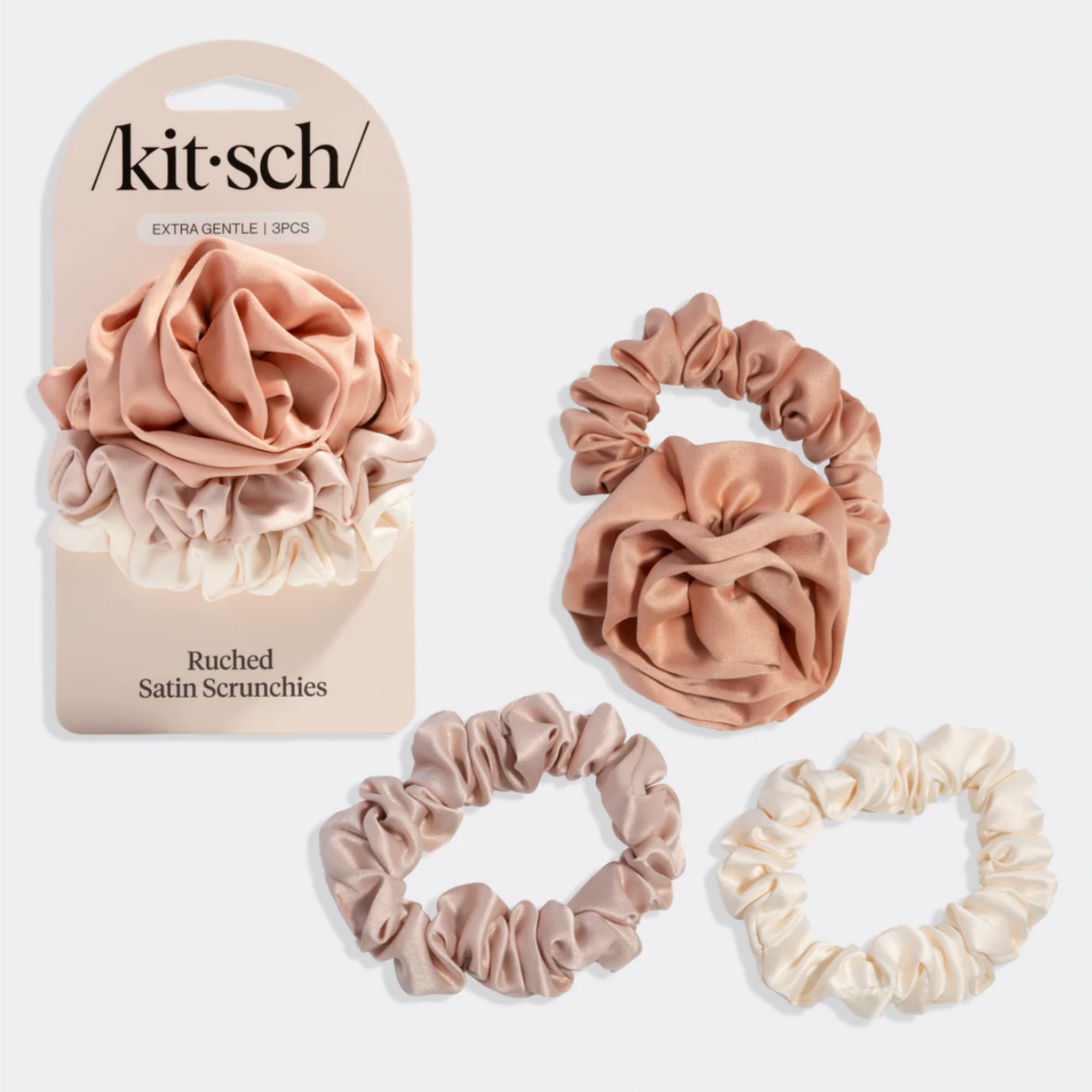
Kitsch’s Ruched Satin Scrunchies (available for purchase in store)
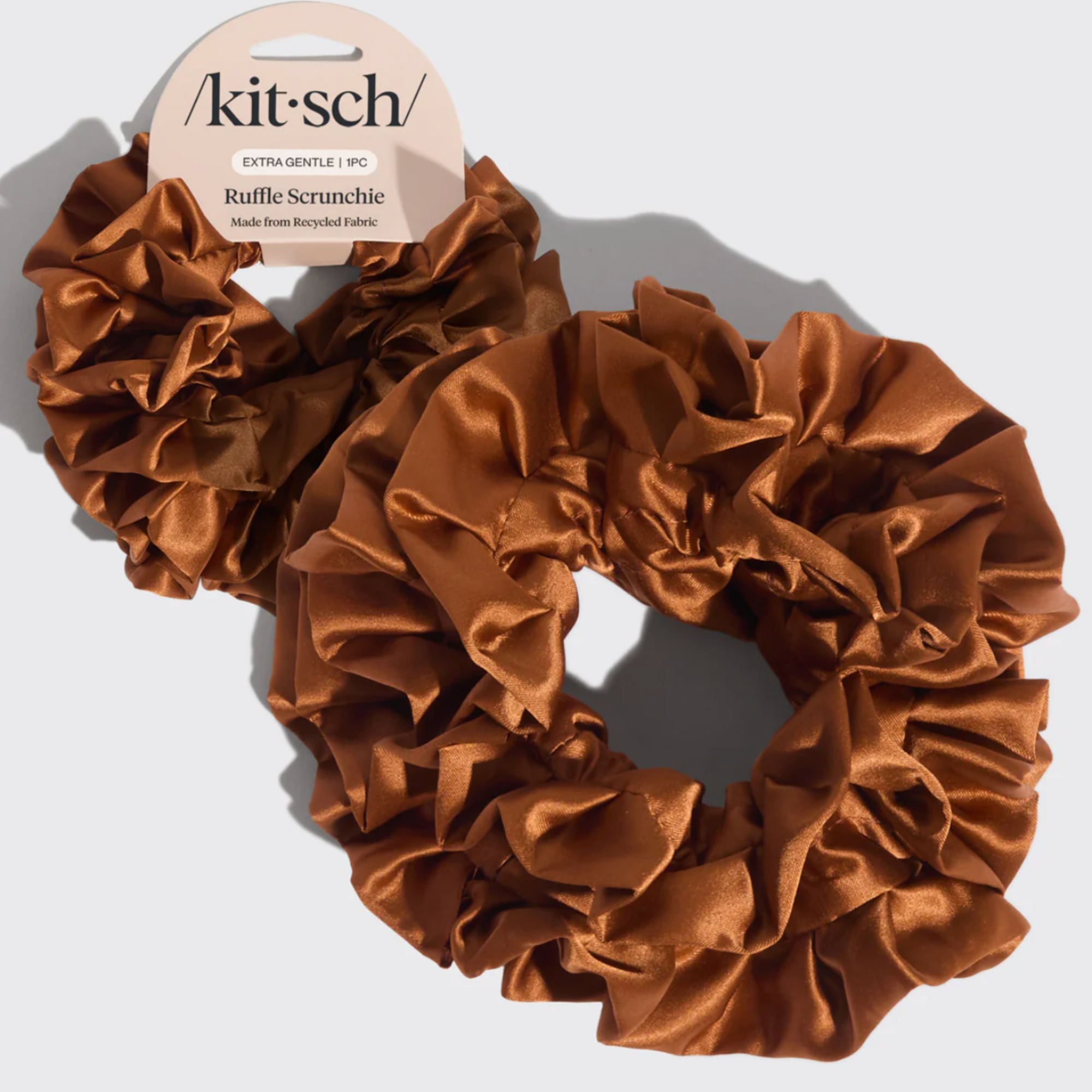
Kitsch’s Ruffle Scrunchie (available for purchase in store)
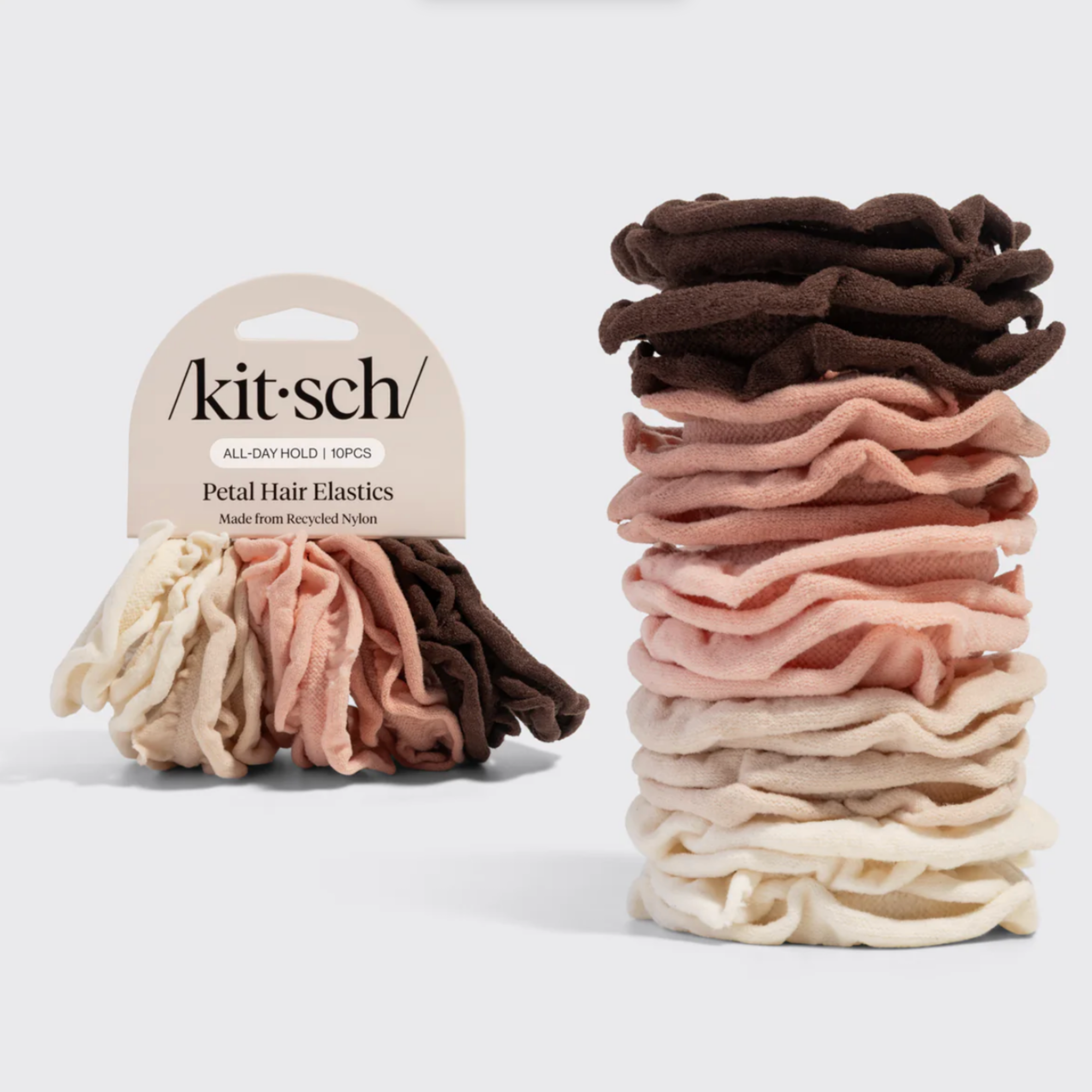
Kitsch’s Petal Hair Elastics (available for purchase in store)
5. The Sun Damages Hair Just Like Skin
Most people are used to thinking about sun protection for their skin, but not for their hair.
Hair is affected by UV exposure too. Research on hair photodamage shows that excessive sun exposure can impair the hair shaft, contribute to dryness and roughness, and reduce color and luster over time.
Solution
When spending extended time in the sun, consider wearing a hat or using hair products that include UV protection. Simple protection can help preserve both the health of the hair and the longevity of your color.
Stylist’s Note
Hair, just like skin, benefits from protection, especially if it is color-treated.
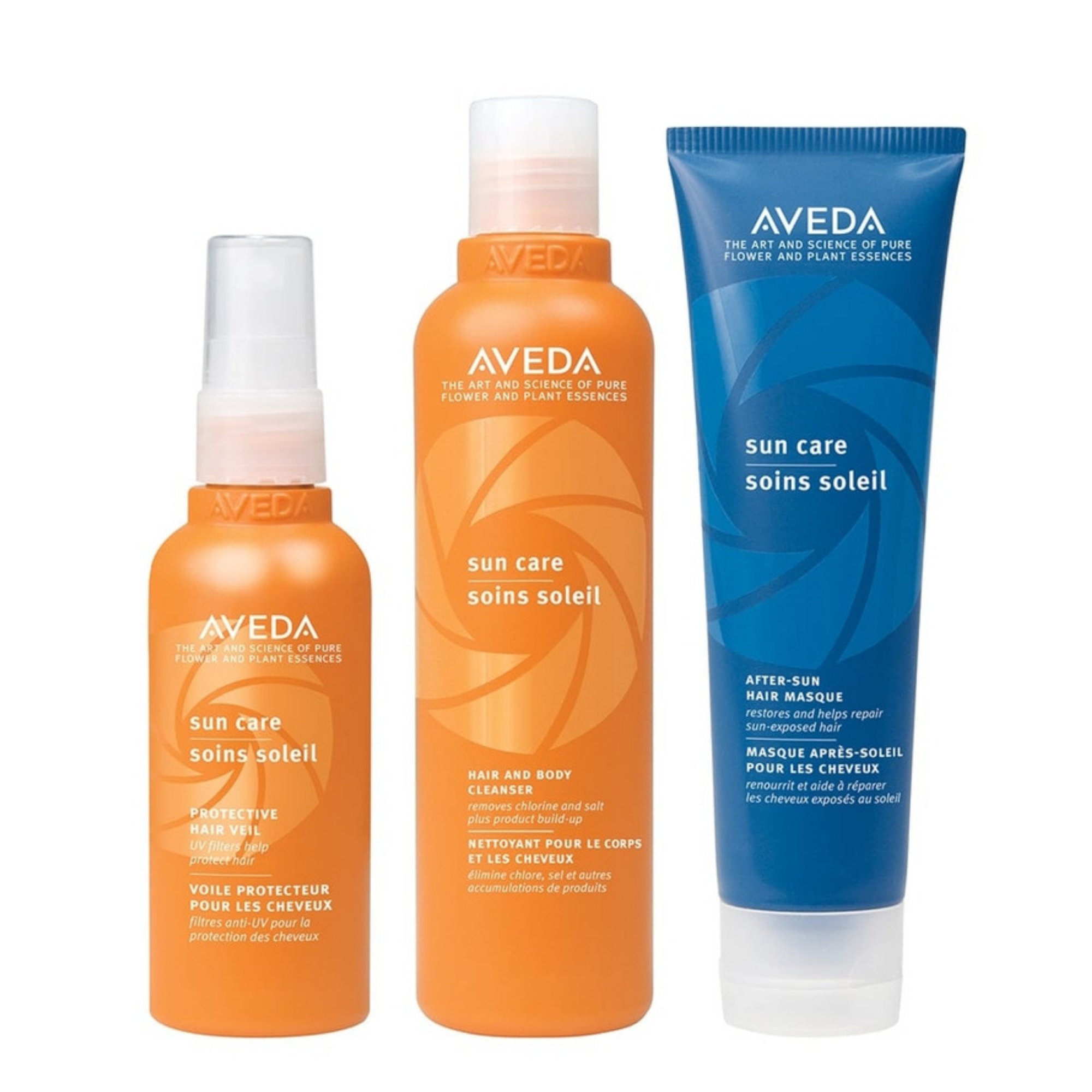
Pictured L to R & available for purchase at LOOK (in store): Aveda’s Sun Care, Protective Hair Veil, Aveda’s Sun Care, Hair and Body Cleanser, Aveda’s Sun Care, After-Sun Hair Masque
6. Bonus: Hard Water or Well Water Can Leave Hair Dry, Dull, and Heavy
In San Antonio, this one matters. San Antonio is known for having very hard water, and SAWS says the city’s typical water hardness ranges from 15 to 20 grains per gallon. That kind of mineral-heavy water can leave buildup on the hair over time, especially from calcium and magnesium. For many people, that shows up as hair that feels dry, dull, rough, heavy, or harder to manage than usual. Hard water has also been linked to increased hair fragility. (saws.org)
If your hair suddenly feels coated, less soft, harder to detangle, or like your products are not working the way they used to, your water may be part of the problem. This can be even more frustrating for color-treated hair, since mineral buildup can leave the hair looking less bright and feeling less smooth.
Solution
A home water system or shower filter can be a helpful support step, especially if you are trying to reduce what is hitting your hair every day. Just keep in mind that a standard shower filter does not always fully soften true hard water. In more severe cases, a water softener or occasional clarifying or chelating treatment such as Malibu C Hard Water Wellness Kit may be more effective. Still, improving your water quality at home can absolutely support healthier-looking, more manageable hair over time. (health.com)
Stylist’s Note
If your hair has been feeling off and you cannot figure out why, it is worth looking beyond your products. Sometimes the issue is not just what you are putting on your hair, it is the water you are washing it with.
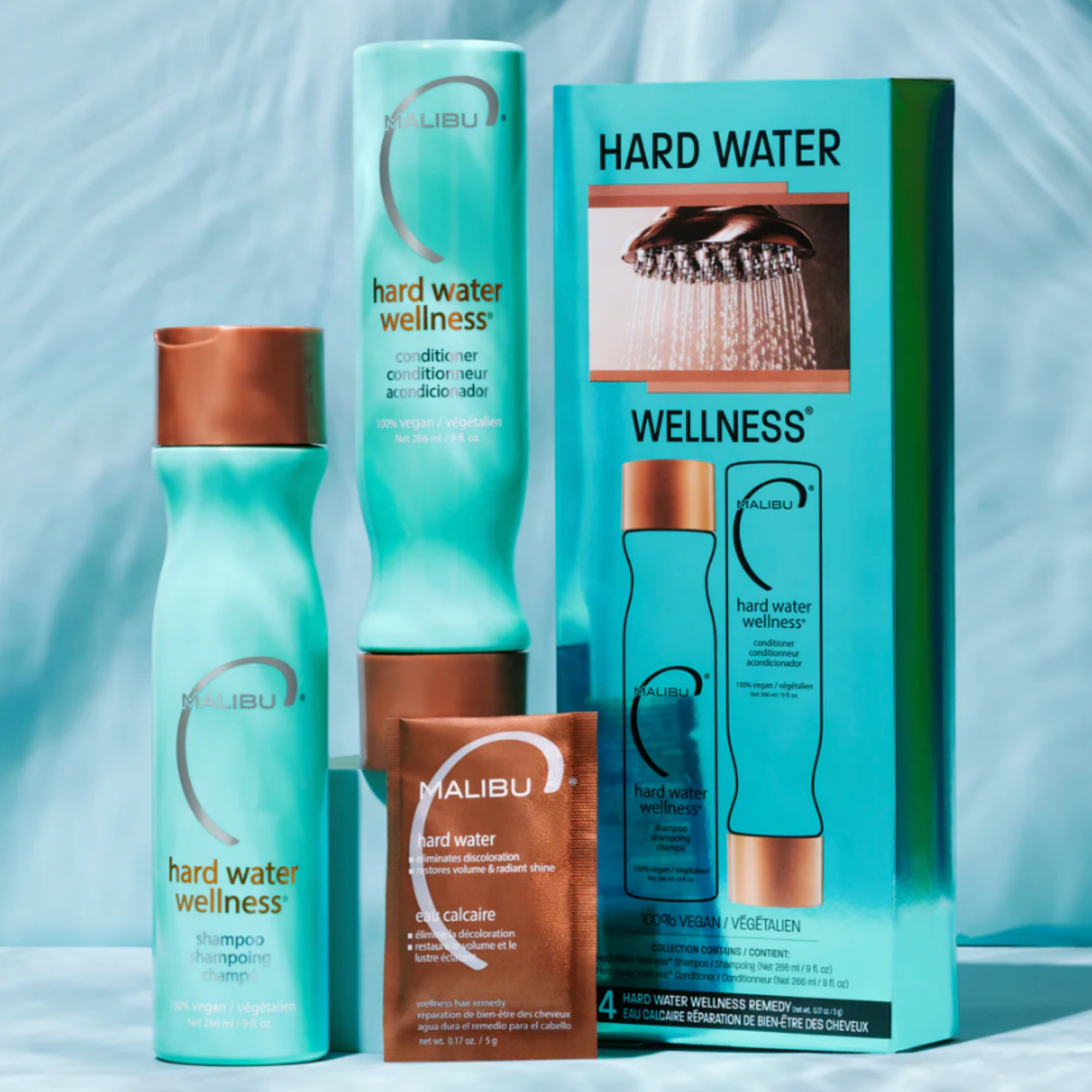
Pictured & available for purchase at LOOK (in salon): Malibu C. Hard Water Wellness Kit
Why This Matters Even More for Color-Treated Hair
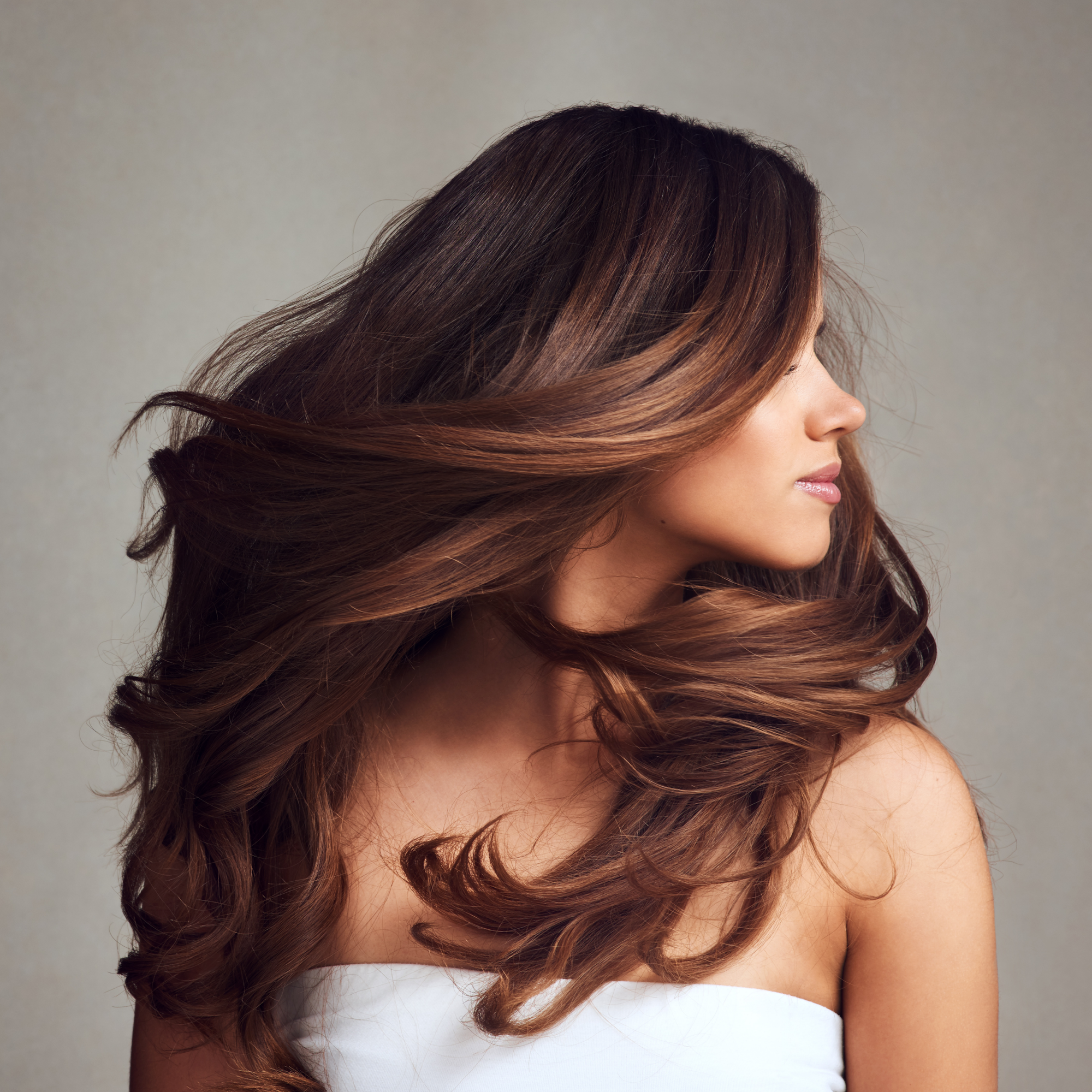
If your hair is colored, lightened, glossed, or toned, these habits matter even more.
Hair that has gone through a chemical service usually needs more thoughtful handling if you want it to stay soft, shiny, and resilient. Hair shaft damage from friction, UV exposure, mineral buildup, and repeated tension can all make color-treated hair feel rougher and look duller sooner.
That does not mean color is the enemy. It means hair health and hair beauty need to be treated like partners, not separate conversations.
Stylist’s Note
Beautiful color is not just about getting a result. It is also about keeping the hair in a condition that can support beautiful results over time.
Simple Ways to Better Protect Your Hair Every Day
If you want to make your hair routine more supportive without overcomplicating it, start here:
• detangle gently and always with slip
• use a brush that bends and moves with the hair
• press water out instead of rubbing the hair dry
• wear softer ties and vary your hairstyles
• protect your hair from prolonged sun exposure
• pay attention to your water quality if your hair feels coated, dry, or harder to manage than usual
Most of the time, healthier hair is built through consistency, not extremes.
Final Thoughts
Most hair damage is not dramatic. It is repetitive. The way you handle your hair everyday matters. The more gently you treat it, especially when it is wet, stressed, color-treated, or exposed to environmental factors, the better chance it has to stay stronger, softer, shinier, and more resilient over time. Repeated mechanical friction, UV exposure, tension, and mineral buildup are all recognized contributors to hair shaft wear and fragility. If your hair has not been feeling like itself lately, start by looking at the small habits. That is often where the biggest improvements begin.
If you are not sure whether your routine is supporting your hair or quietly working against it, a professional assessment at LOOK can help identify where your hair may need more support, especially if it is color-treated, feeling fragile, or not holding up the way it used to. We welcome you to call us to schedule your consultation or next appointment via phone at 210-826-5665 or through the website, look.salon, we offer convenient online booking.